Heart Health Myths Debunked: What Really Supports a Strong Heart This American Heart Month
Feb 05 2026 14:00
February marks American Heart Month, a perfect reminder to pay attention to the organ that keeps everything else running smoothly — your heart. Although heart disease remains the top cause of death in the United States, many of its risks can be reduced or prevented altogether. Unfortunately, widespread myths often cloud the truth about how to keep your heart healthy. Below, we unravel some of the most common misconceptions so you can make informed, proactive choices for long-term wellness.
Myth #1: “Heart problems only happen when you’re older.”
Fact:
Heart health matters at every age. Plaque can begin forming in the arteries surprisingly early, even during childhood. With increasing rates of obesity and Type 2 diabetes among young adults, taking care of your heart sooner rather than later is crucial. Building habits like staying active, choosing nutrient-rich foods, and avoiding tobacco can set you up for lifelong cardiovascular health.
Myth #2: “I’d know if my blood pressure were high.”
Fact:
High blood pressure earned the nickname “silent killer” for a reason — it typically has no noticeable symptoms while causing serious damage behind the scenes. You can’t rely on how you feel to determine your blood pressure. The only dependable method is regular monitoring. Many pharmacies provide free blood pressure stations, and your healthcare provider can easily check it during routine appointments.
Myth #3: “Heart disease is mostly a men’s issue.”
Fact:
Heart disease affects both men and women and is the leading cause of death for each. However, women often experience different warning signs than the classic chest pain that most people associate with a heart attack. For women, symptoms may include shortness of breath, nausea, lightheadedness, or discomfort in the back, neck, or jaw. Recognizing these less-obvious cues can help women seek prompt medical attention when it matters most.
Myth #4: “If heart disease runs in my family, I can’t change my risk.”
Fact:
Genetics play a role, but they don’t determine your destiny. Even if heart disease appears in your family tree, your daily habits can significantly influence your overall risk. Maintaining a healthy body weight, eating plenty of fruits and vegetables, incorporating whole grains into your meals, reducing or eliminating tobacco use, and practicing stress management all have a powerful impact on heart health — no matter your genetic background.
Myth #5: “After a heart issue, I should avoid physical activity.”
Fact:
Most people recovering from heart-related events are encouraged to return to physical activity under a doctor’s guidance. Structured programs like cardiac rehabilitation exist specifically to help individuals regain strength safely. Before starting or restarting any exercise routine, consult your healthcare provider, but remember: movement often plays an important role in recovery and long-term healing.
Steps You Can Take to Protect Your Heart
The American Heart Association estimates that up to 80% of heart disease cases could be prevented with the right lifestyle choices. Here are practical actions you can start taking right away:
- Schedule routine screenings for cholesterol, blood pressure, and blood sugar.
- Fill your plate with colorful produce, lean protein sources, and heart-healthy fats.
- Aim for at least 150 minutes of moderate physical activity each week.
- Quit smoking if you currently use tobacco — your heart attack risk decreases dramatically within the first year.
- Find healthy ways to handle stress through activities like prayer, meditation, hobbies, or relaxation techniques.
How Insurance Can Support Preventive Care
A large number of insurance plans now include preventive services at no additional cost. These benefits often cover annual checkups, cholesterol testing, and blood pressure screenings. Some plans even offer nutrition counseling or programs that help with quitting smoking. Taking advantage of these resources makes it easier to stay on top of your heart health and catch potential concerns early.
Final Thoughts
While heart disease remains a serious issue, it’s also highly preventable. Awareness and informed decision-making go a long way. As we observe American Heart Month, consider checking in on your health: review your latest numbers, make an appointment for a screening, or commit to one small habit change that benefits your heart. Even the smallest steps, done consistently, can lead to a stronger and healthier future.

Preparing for Marketplace Open Enrollment This Fall
Read more
Back-to-School Health Guide for Families
Read more
UV Safety Awareness Month: Everyday Sun Protection
Read more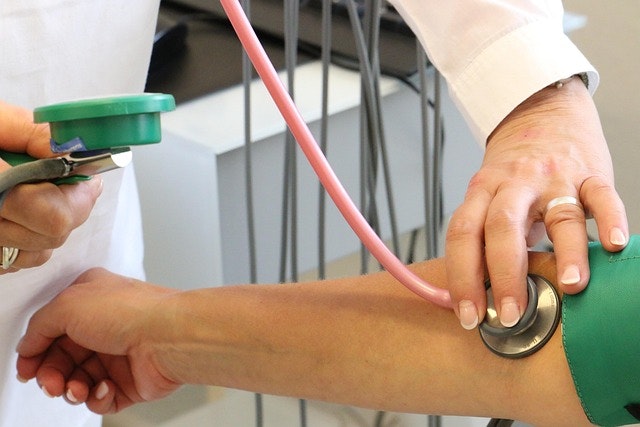
Pre-Summer Preventive Care: Making the Most of Your Health Benefits
Read more
Why Life Insurance Makes a Meaningful Graduation Gift
Read more
Why Life Insurance Can Be a Meaningful Graduation Gift
Read more
How Your Health Insurance Benefits Can Help Nurture Your Mental Well‑Being
Read more
Understanding Your Medicare Advantage Trial Right: What It Is and Why It Matters
Read more
Smart Supplemental Coverage Options to Boost Your Health Insurance
Read more
A Fresh Look at Long-Term Care Riders: Enhancing the Strength of Your Life Insurance Plan
Read more
Heart Health Myths Debunked: What Really Supports a Strong Heart This American Heart Month
Read more
Life Insurance vs. Accidental Death Insurance: What You Need to Know
Read more
Holiday Safety: Celebrate Responsibly This Season
Read more
Wellness Tips for a Healthy Holiday Season
Read more
ACA Open Enrollment: 5 Essential FAQs for 2023
Read more
Something Spooky Lurks: Flu Season in October
Read more
ACA Open Enrollment Begins: Key Dates and Tips
Read more
Medicare AEP: 5 Essential FAQs for Your Coverage
Read more
Life Insurance vs. AD&D: Navigating Your Options
Read more
What is Preventative Care?
Read more
Skin Cancer Screenings: Medicare Coverage Explained
Read more
Celebrate Safely: Fireworks Safety Tips & Insurance
Read more
Essential Summer Travel Insurance Tips
Read more