Back-to-School Health Guide for Families
Aug 13 2026 13:00
Preparing for a new school year isn’t just about organizing supplies and mapping out schedules. It also presents a timely opportunity to refocus on family wellness. Taking small but intentional steps before classes resume can help ensure a calmer, more confident start to the academic season.
Summer activities such as travel, camps, and long days outdoors often lead to changes in routines. These enjoyable experiences can also result in missed appointments or lingering minor health concerns. Addressing these needs now helps families begin the school year feeling organized and prepared.
Schedule Routine Checkups Before School Begins
One of the most effective ways to get ready for the new school year is by booking annual physicals and wellness visits for both children and adults. These appointments create an opportunity to revisit any health issues that may have surfaced over the summer and ensure that everything is on track.
Completing these visits also helps families stay updated on required school or sports physicals, review medical histories, and establish next steps if follow‑up care is needed. Preventive care is essential, as early detection can reduce potential disruptions later in the school year.
Adults benefit just as much from staying current with their own routine medical care. Once school is in full swing, schedules often become packed, making it harder to prioritize personal health. Staying proactive now supports a smoother year for the entire family.
Review Vaccination Records and Booster Needs
The start of a new academic year is an ideal time to check vaccination records. Schools often require certain immunizations, and it’s common for children to need booster shots as they grow.
Even if kids received their early childhood vaccines on schedule, additional doses may be recommended later. Speaking with a healthcare provider helps ensure everything is current and prevents last‑minute concerns related to school requirements.
This check-in is equally important for adults. Parents, guardians, and others who regularly interact with children should confirm their own vaccinations are up to date, particularly if they travel or help manage caregiving duties at home.
Make Time for Vision and Hearing Evaluations
Vision and hearing both play a critical role in a child’s learning, yet problems in these areas often go unnoticed. Many children don’t realize their experiences are different from others, so they may not mention that something feels off.
Instead, difficulties may show up as trouble concentrating, headaches, frustration with reading, or challenges following instructions. These symptoms can impact a child’s confidence and overall performance in the classroom.
Scheduling screenings before school starts allows parents to identify and manage concerns early. Taking action now may significantly improve how students engage with their lessons once school begins.
Reintroduce Consistent Healthy Routines
Aside from healthcare appointments, daily habits influence how well students adjust to a new school year. The weeks leading up to the first day of school are a great time to reestablish helpful routines.
Start by creating steady sleep schedules. Gradually shifting bedtimes and wake‑up times can prevent fatigue and stress when school begins. Adequate rest supports better focus, mood, and overall energy.
Nutritious meals are another key factor. School mornings can be rushed, so planning simple, balanced breakfast and lunch options can make healthy eating more attainable. Staying hydrated—especially in warm weather or during after‑school activities—contributes to better daily functioning.
These practices aren’t just for kids. Adults managing household, work, or transportation responsibilities can also benefit from structured routines that support wellness and energy levels.
Organize Health Needs for the School Day
Returning to busy classrooms, buses, and extracurricular activities naturally increases exposure to germs. Reviewing basic hygiene practices before school starts can help prepare students for the year ahead.
Reinforcing habits like proper handwashing, using tissues when needed, and drinking enough water can reduce the spread of illness. Starting these conversations early helps make them part of everyday behavior.
Families managing chronic conditions should take extra steps to ensure the school has everything required to keep children safe. For students with allergies, asthma, diabetes, or other ongoing health needs, it’s important to verify that all medications are updated and accessible.
Be sure the school has:
- Current medications
- Clear, easy‑to‑follow instructions for use
- Updated emergency or action plans
Completing these tasks in advance helps avoid delays or confusion, giving children the support they need throughout the school day.
Use the Back-to-School Season as a Wellness Refresh
While back‑to‑school preparation often focuses on forms, supplies, and logistics, it can also serve as a meaningful health reset for the whole family. By prioritizing routine care, healthy habits, and thoughtful planning, families can begin the year on a stronger foundation.
This season provides a chance to catch up on appointments, verify that everyone is current on important health needs, and rebuild routines that support long‑term wellness. These small efforts help reduce disruptions and contribute to a more successful school year overall.
Taking a proactive approach doesn’t have to feel overwhelming. A bit of planning now can go a long way toward a healthier, more organized start to the academic year.
If you’d like support navigating preventive care or understanding available health benefits and coverage options, our team at Redmond Group, LLC, DBA Allen Associates of Manchester is here to help you make informed decisions for your family.

Why a Medicare Annual Enrollment Review Matters
Read more
Preparing for Marketplace Open Enrollment This Fall
Read more
Back-to-School Health Guide for Families
Read more
UV Safety Awareness Month: Everyday Sun Protection
Read more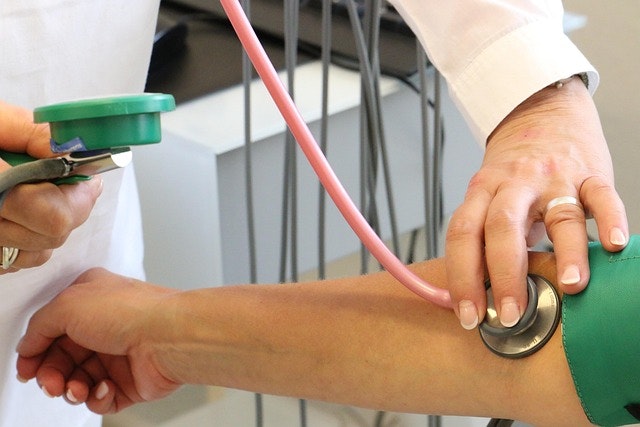
Pre-Summer Preventive Care: Making the Most of Your Health Benefits
Read more
Why Life Insurance Makes a Meaningful Graduation Gift
Read more
Why Life Insurance Can Be a Meaningful Graduation Gift
Read more
How Your Health Insurance Benefits Can Help Nurture Your Mental Well‑Being
Read more
Understanding Your Medicare Advantage Trial Right: What It Is and Why It Matters
Read more
Smart Supplemental Coverage Options to Boost Your Health Insurance
Read more
A Fresh Look at Long-Term Care Riders: Enhancing the Strength of Your Life Insurance Plan
Read more
Heart Health Myths Debunked: What Really Supports a Strong Heart This American Heart Month
Read more
Life Insurance vs. Accidental Death Insurance: What You Need to Know
Read more
Holiday Safety: Celebrate Responsibly This Season
Read more
Wellness Tips for a Healthy Holiday Season
Read more
ACA Open Enrollment: 5 Essential FAQs for 2023
Read more
Something Spooky Lurks: Flu Season in October
Read more
ACA Open Enrollment Begins: Key Dates and Tips
Read more
Medicare AEP: 5 Essential FAQs for Your Coverage
Read more
Life Insurance vs. AD&D: Navigating Your Options
Read more
What is Preventative Care?
Read more
Skin Cancer Screenings: Medicare Coverage Explained
Read more
Celebrate Safely: Fireworks Safety Tips & Insurance
Read more